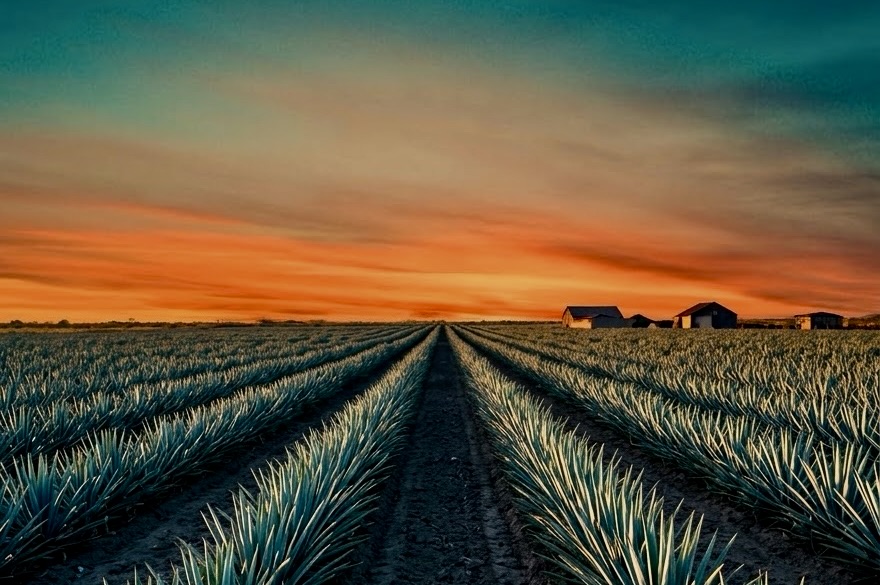
Agave field at sunset
Regulatory Intelligence · Sensory Science · Production Standards

The Authority on
Agave Spirits

Grounded in regulation. Verified by source.

Ask anything about tequila — production standards, NOM regulations, additive-free verification, regional terroir, aging categories, or brand certification. The engine routes your question to the right authoritative source.

Ask Thee Tequila Hub
Routing to authoritative source
Questions Asked
Your questions will appear here as you explore the hub.
Authoritative Sources

Where the Rules Are Written

Every answer the Hub provides traces back to one of these regulatory, certification, or verification bodies. No opinion without a source.

Mexico · Primary Regulator
Consejo Regulador del Tequila
CRT
The governing body for tequila certification, NOM registration, and denomination of origin enforcement. All certified tequila passes through CRT.
Visit CRT ›
Mexico · National Standard
NOM-006-SCFI-2012
NOM-006
The official Mexican standard governing tequila production — categories, aging requirements, agave content thresholds, geographic boundaries, and labeling.
View Standard ›
Community · NOM Database
Agave Matchmaker
AMM
Comprehensive NOM-to-brand mapping database with additive disclosure tracking, distillery profiles, and consumer-verified tasting data.
Search Database ›
United States · Import Regulation
Alcohol & Tobacco Tax and Trade Bureau
TTB
U.S. federal authority on import standards, COLA labeling approval, and geographic indication recognition for tequila entering the American market.
Visit TTB ›
Mexico · Consumer Protection
PROFECO
PROFECO
Mexico's Federal Consumer Protection Agency. Enforces labeling accuracy and publishes periodic tequila authenticity studies identifying non-compliant products.
Visit PROFECO ›
Mexico · Agave Certification
COMERCAM
COMERCAM
Certifies Blue Weber agave cultivation and tracks field-to-distillery supply chains. Critical for 100% agave verification and sustainable sourcing claims.
Visit COMERCAM ›
Industry · Additive Disclosure
Tequila Aficionado / Additive-Free
AF Community
Community-driven additive-free verification and brand transparency tracking. Cross-references producer disclosures against CRT classifications.
Explore ›
International · Industry Standards
International Alliance for Responsible Drinking
IARD
Global standards body providing geographic indication data, production definitions, and international regulatory comparisons for distilled spirits categories.
Visit IARD ›
Distillery Intelligence · Owner · Brands · CRT Verification

Brand & NOM Search

Search by brand name or NOM number to find distillery ownership, registered brands, and CRT verification status.

Reference Library

Core Knowledge Domains

The foundational topics every serious agave spirits professional and enthusiast should understand.

🥃
Tequila Categories
Blanco through Extra Añejo — aging requirements, legal definitions, and the contested cristalino classification under NOM-006-SCFI-2012.
NOM-006 CRT Aging
Read Reference ›
🗺️
Denomination of Origin
The geographic protection covering five Mexican states. What it means, how it is enforced, and why the Jalisco highlands and lowlands produce distinct expressions.
CRT Geography DO
Read Reference ›
🌿
Additive-Free Verification
The 1% additive rule, permitted substances under CRT, how to verify additive-free claims, and what the major certification and disclosure programs actually guarantee.
CRT Additives AMM
Read Reference ›
🔢
Reading a NOM Number
How NOM numbers are structured, what the digits indicate, and how to use them to trace a brand back to its distillery of origin.
NOM CRT Distilleries
Read Reference ›
🏔️
Highland vs Lowland Terroir
How altitude, soil composition, climate variation, and agave maturation rates shape fundamentally different sensory profiles between Los Altos and the valley floor.
Terroir Sensory Jalisco
Read Reference ›
⚗️
Production Methods
From autoclave to brick oven, tahona to diffuser — how production decisions at every stage shape flavor, authenticity perceptions, and regulatory classification.
Production Distillation NOM-006
Read Reference ›
Sensory Framework · Color · Aroma · Taste · Finish

Tasting Notes

Select a category and region to explore the expected sensory profile. Serve tequila at room temperature in a narrow-mouth glass. Taste light to dark — blanco first, extra añejo last.

Regulatory Glossary

The Language of Agave

Core terminology from CRT regulations and NOM-006 — the vocabulary behind every legitimate tequila conversation.

Abocado
Mellowing, softening, making it smoother...
Agave Tequilana Weber
The only agave species permitted in tequila production...
Agavero
Agave farmer — cultivates blue agave from planting to harvest...
Añejo
Aged minimum one year in oak up to 600L...
Bagazo
Leftover agave fibers after juice extraction...
Barrica
Oak barrel used for aging tequila...
Blanco / Silver / Plata
Unaged or rested up to 60 days — purest agave expression...
Bulbillo
Agave stalk growing on the quiote — used for propagation...
Cabeza
Head — first cut of the distillation run, typically discarded...
Capón
Agave with its flowering stalk removed to maximize sugar content...
Corazón
Heart — the desirable middle cut of distillation, the core of finished tequila...
Cosecha
Harvest — agave is harvested year-round as individual plants mature...
Cristalino
Filtered aged tequila — not a legal NOM-006 category...
Denominación de Origen
Geographic protection — tequila can only be produced in 5 Mexican states...
Destrozador
First distillation still — produces the ordinario before rectification...
Extra Añejo
Aged minimum three years — introduced 2006 for ultra-aged expressions...
Fábrica
Factory — distillery. Each fábrica holds a unique NOM number from the CRT...
Hijuelo
Agave sapling — asexual clone of the mother plant used for propagation...
Horno
Traditional brick oven — slow-cooks agave at ~95°C for 24-72 hours...
Inulin
Agave sugar storage compound converted to fermentable sugars during cooking...
Jima / Jimador
Harvest / harvester — skilled worker using a coa tool to extract the piña...
Joven / Gold / Oro
Young — unaged or blanco with mellowing additives to simulate aged character...
Los Altos (Highlands)
Eastern Jalisco highlands — red clay soils, slow-maturing agave, sweeter profiles...
Lote
Batch — lot number appearing on the bottle for production traceability...
Mellowing (Abocado)
Addition of up to 1% approved softening agents — not permitted for blanco...
Mixto
51% minimum agave sugars — 100% agave absent from label indicates mixto...
Molienda
Mill — the extraction of juice from cooked agave by tahona, roller mill, or diffuser...
Mosto
Must — agave juice undergoing fermentation. Mosto muerto = dead/finished must...
NOM
Norma Oficial Mexicana — 4-digit distillery ID on every certified tequila bottle...
Ordinario
First distillate — low-wine collected before second distillation to finished strength...
Penca
Agave leaf — removed during harvest. Cut height affects tequila flavor...
Piña
Harvested agave heart — pineapple-shaped, 40-90kg, contains fermentable inulin...
Quiote
Flowering stalk — must be removed (capón) to keep sugar in the piña...
Rectificador
Second distillation still — rectifies ordinario to finished tequila strength...
Reposado
Rested 2 months to 1 year in oak — agave and wood in balance...
Sazón
Right on point — the optimal agave maturity stage for harvest...
Tahona
Traditional stone crushing wheel — labor intensive, associated with artisanal production...
Tequila Valley (Lowlands)
Western Jalisco valley — volcanic soils, faster maturation, earthier profiles...
Tequilero
Tequila producer — maestro tequilero is the master distiller overseeing production...
Vinazas
Distillation waste liquid — environmental concern, some producers recycle as fertilizer...